

If you’re wondering how long do German Shepherds live, the simple answer is that most live around 10 years, with some living longer with good care, strong genetics, and early treatment for health problems. A Royal Veterinary College study found the average German Shepherd lifespan was 10.3 years, with females living longer than males in that dataset. (rvc.ac.uk)
German Shepherds are loyal, smart, athletic dogs, but they’re also a large breed with some known health risks. The goal isn’t just more years. It’s helping your dog stay comfortable, mobile, and happy for as long as possible.
How Long Do German Shepherds Live on Average?
German Shepherds usually live about 9 to 13 years, with many owners planning around 10 years. A UK veterinary-record study reported an average lifespan of 10.3 years. Genetics, weight, joint health, dental care, exercise, and fast vet care for warning signs can all affect quality of life. (rvc.ac.uk)
A German Shepherd’s life expectancy can vary a lot from dog to dog. Some dogs slow down earlier because of arthritis, spinal disease, digestive issues, or inherited conditions. Others stay active and bright well into their senior years.
Sex may also play a role. In the RVC study, female German Shepherds lived an average of 11.1 years, while males lived an average of 9.7 years. That does not guarantee what will happen with your dog, but it can help owners understand broad trends. (rvc.ac.uk)
German Shepherd Lifespan by Life Stage
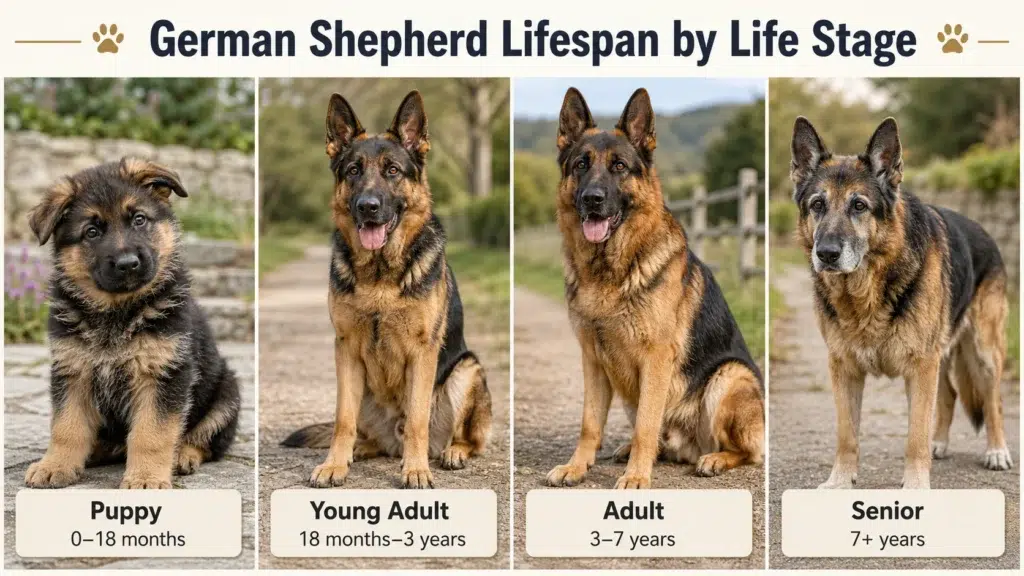
German Shepherds are large dogs, so they tend to age faster than many small breeds. You may notice changes in energy, stiffness, sleep, appetite, or behavior as your dog gets older.
| Life Stage | Approximate Age | What to Focus On |
| Puppy | 0 to 18 months | Safe growth, vaccines, socialization, gentle exercise |
| Young adult | 18 months to 3 years | Training, muscle building, healthy weight |
| Adult | 3 to 7 years | Preventive vet care, dental care, joint protection |
| Senior | 7+ years | Mobility support, twice-yearly vet checks, comfort |
| Geriatric | 10+ years | Pain control, home changes, quality-of-life tracking |
These ranges are not strict rules. A healthy 8-year-old German Shepherd may still enjoy long walks, while another may need shorter outings and more rest.
What Affects How Long German Shepherds Live?
Several things can affect the average German Shepherd lifespan. Some are out of your control, like genetics. Others depend on daily care.
Genetics and Responsible Breeding
German Shepherds can inherit health risks. A reputable breeder should screen breeding dogs for major issues, especially hip and elbow problems. If you’re adopting, ask for any available medical history, even if it’s incomplete.
Good genetics do not guarantee a long life, but they can lower the odds of some serious problems.
Healthy Weight
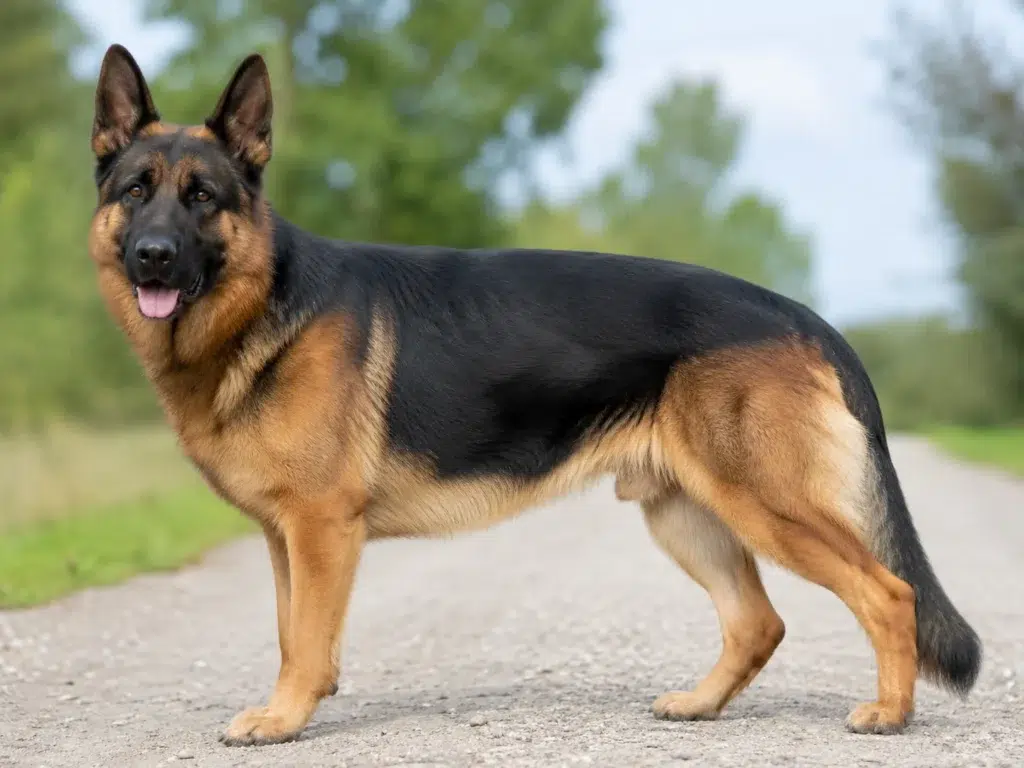
Weight control is one of the biggest daily factors you can manage. Extra weight adds stress to the hips, elbows, back, and heart.
The AVMA has reported research showing overweight dogs had shorter lifespans than healthy-weight dogs, with some overweight dogs living up to 2.5 years less on average. (avma.org)
You should be able to feel your German Shepherd’s ribs with light pressure. If you can’t, ask your vet about a safe weight plan. Do not crash-diet a dog.
Exercise and Muscle
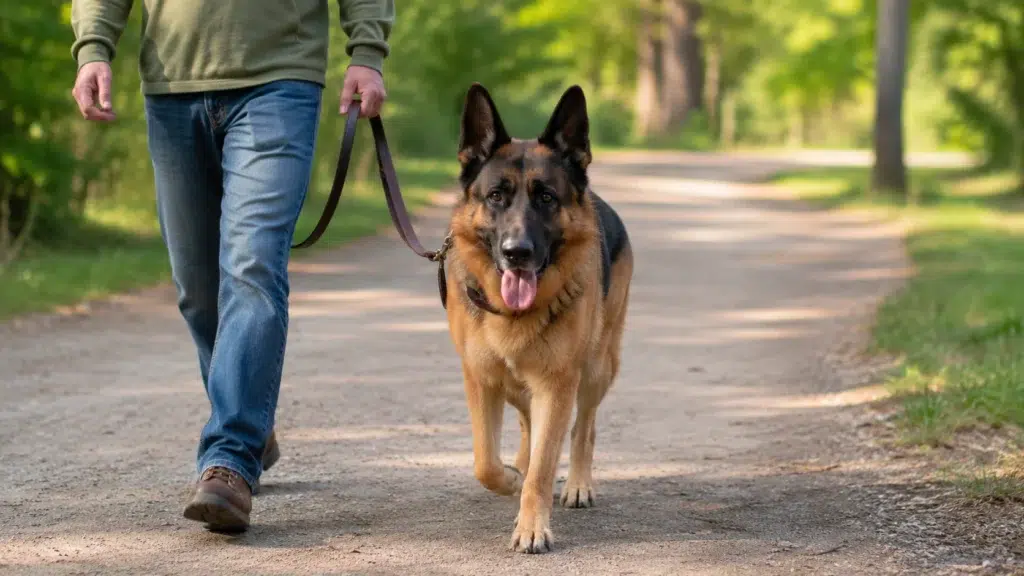
German Shepherds need regular activity, but more is not always better. Long runs, hard jumping, and intense fetch on slippery surfaces can be rough on joints, especially for puppies and seniors.
A better routine often includes daily walks, sniffing time, gentle training, low-impact play, and rest. Senior dogs may do better with shorter walks more often.
Preventive Vet Care
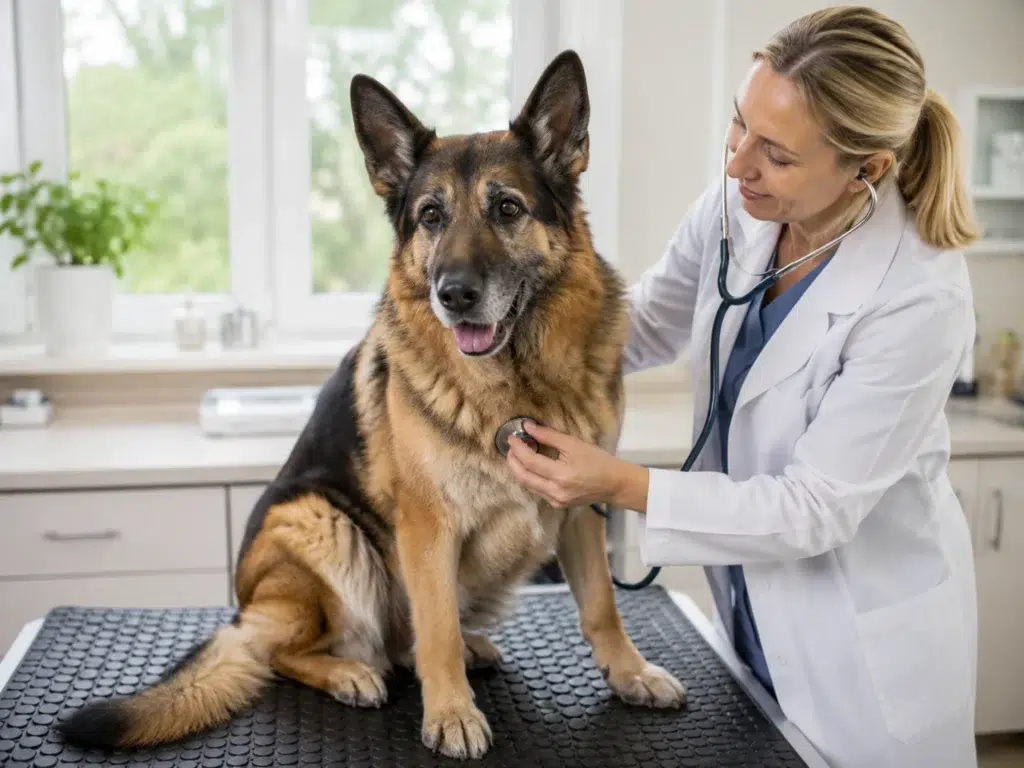
Preventive care can catch problems before they become painful or expensive. Adult dogs usually need regular wellness exams, vaccines based on lifestyle, parasite prevention, dental checks, and weight monitoring.
Senior pets often need more frequent care. The AVMA says senior pets should see a veterinarian twice a year, and those exams may include bloodwork and screening for age-related conditions. (avma.org)
Common German Shepherd Health Problems That Can Affect Lifespan
German Shepherds are strong dogs, but they are prone to certain health problems. Knowing the risks helps you act early.
Hip and Elbow Dysplasia
Hip dysplasia is an abnormal development of the hip joint, most common in large-breed dogs. Merck Veterinary Manual notes that rapid growth, exercise, nutrition, and hereditary factors can all affect hip dysplasia risk. Signs may include lameness, stiffness, pain, reduced range of motion, or a “bunny-hopping” gait. (Merck Veterinary Manual)
Elbow dysplasia can also cause pain, limping, and early arthritis. If your German Shepherd limps after exercise or struggles to get up, call your vet.
Osteoarthritis
Arthritis is common in aging large dogs. It can show up as stiffness, slower walks, trouble with stairs, slipping, or reluctance to jump into the car.
Do not give human pain medicine unless your vet tells you to. Some common human medications can be dangerous for dogs.
Degenerative Myelopathy
Degenerative myelopathy is a progressive spinal cord disease seen in German Shepherds and some other breeds. It often starts with hind-end weakness, dragging paws, or wobbling.
This condition is not the same as arthritis. A vet exam is needed to sort out the cause of mobility changes.
Bloat or GDV
German Shepherds are deep-chested dogs, which puts them at risk for bloat, also called gastric dilatation-volvulus or GDV. Merck says bloat primarily affects large, deep-chested dogs and lists German Shepherds among breeds affected most often. (Merck Veterinary Manual)
Safety warning: A swollen belly, repeated unproductive retching, restlessness, drooling, weakness, or collapse can be signs of GDV. This is an emergency. Go to an emergency vet right away.
Ear, Skin, and Digestive Issues
The RVC study found common German Shepherd disorders included ear infection, osteoarthritis, diarrhea, overweight/obesity, and aggression. Regular ear checks, diet tracking, weight control, and behavior support can all help. (rvc.ac.uk)
Red Flags: When to Call a Vet
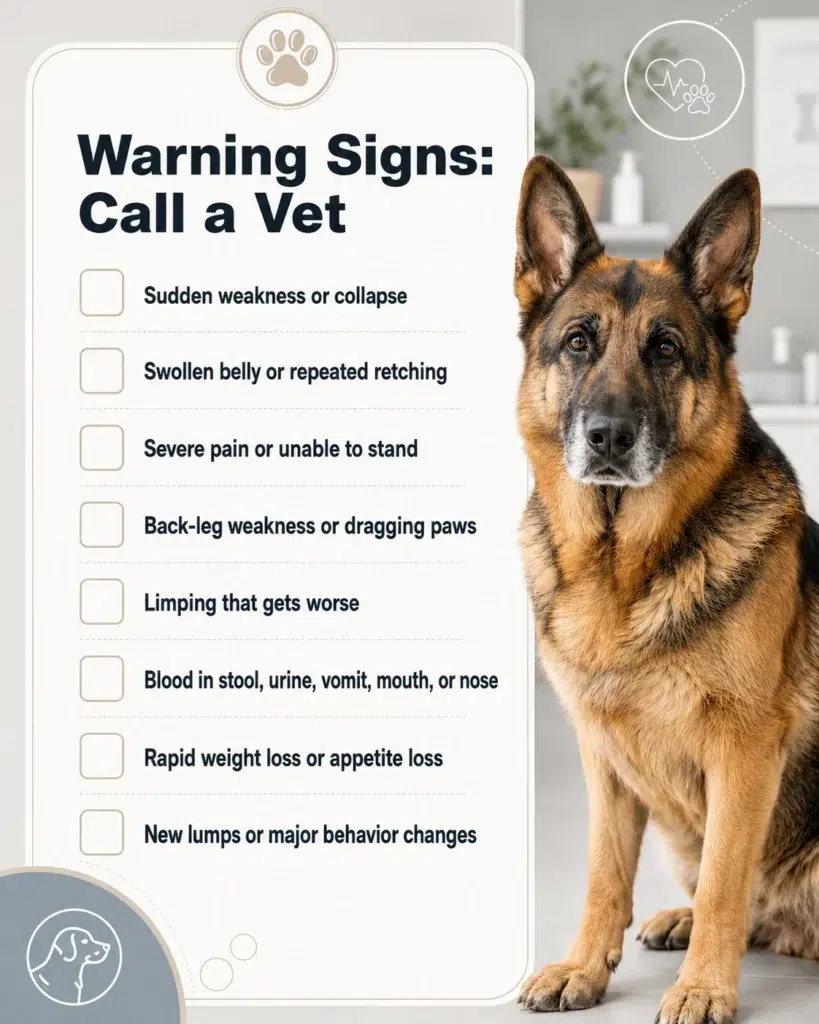
Some symptoms should never be ignored. Call your vet or an emergency clinic if your German Shepherd has:
- Sudden weakness, collapse, or trouble breathing
- A swollen belly or repeated retching with little coming up
- Severe pain, crying, or inability to stand
- Sudden back-leg weakness or dragging paws
- Limping that lasts more than a day or gets worse
- Blood in stool, urine, vomit, mouth, or nose
- Rapid weight loss or loss of appetite
- New lumps, wounds that won’t heal, or major behavior changes
For mild changes, such as slight stiffness after rest, keep notes and schedule a vet visit. Early care can make a big difference in comfort.
How to Help a German Shepherd Live Longer
You cannot control everything, but you can build habits that support a longer, healthier life.
Feed for a Lean Body
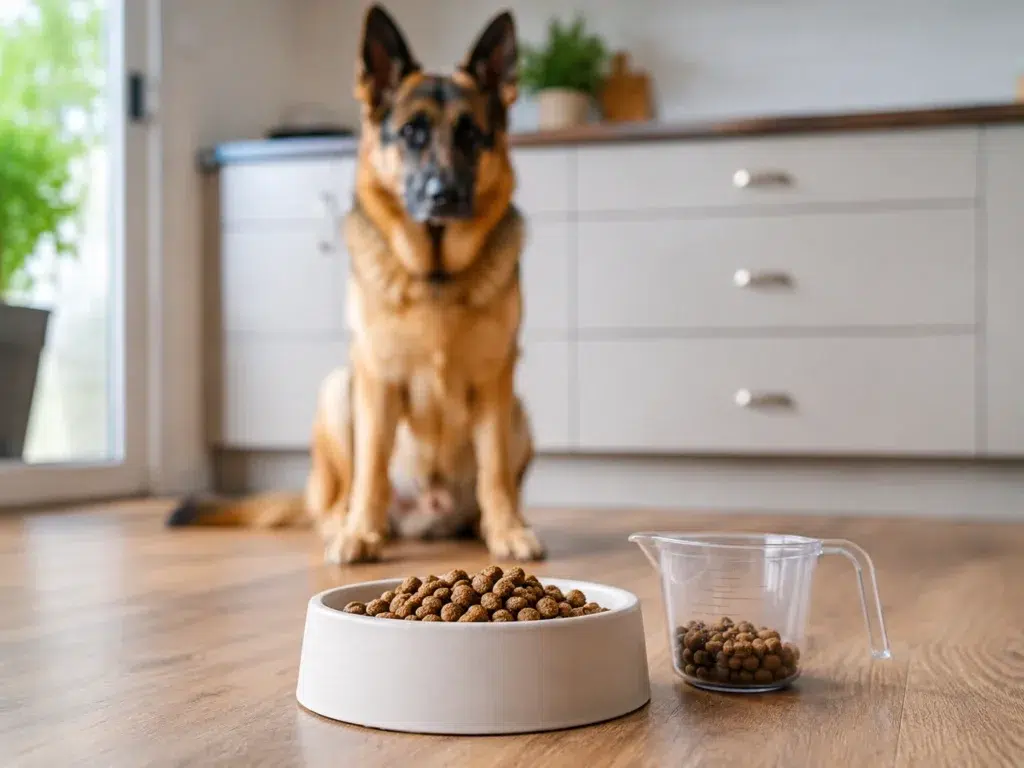
Choose a complete and balanced dog food that matches your dog’s age, size, and health needs. Puppies need large-breed puppy food to support steady growth. Adult and senior dogs may need different calories as activity changes.
Measure meals. Treats count as calories. If your dog gains weight easily, ask your vet how many calories your dog should eat each day.
Keep Exercise Consistent
German Shepherds need both physical and mental work. A bored German Shepherd may become anxious, destructive, or hard to manage.
Good options include leash walks, scent games, obedience practice, puzzle feeders, controlled fetch, and low-impact hiking. Avoid intense weekend-only exercise if your dog is inactive during the week.
Protect the Joints

Use rugs or runners on slippery floors. Add ramps for cars or furniture if your dog struggles to jump. Keep nails trimmed so your dog can grip the floor better.
For puppies, avoid forced long-distance running and repeated high jumps. Growing joints need time.
Prioritize Dental Care
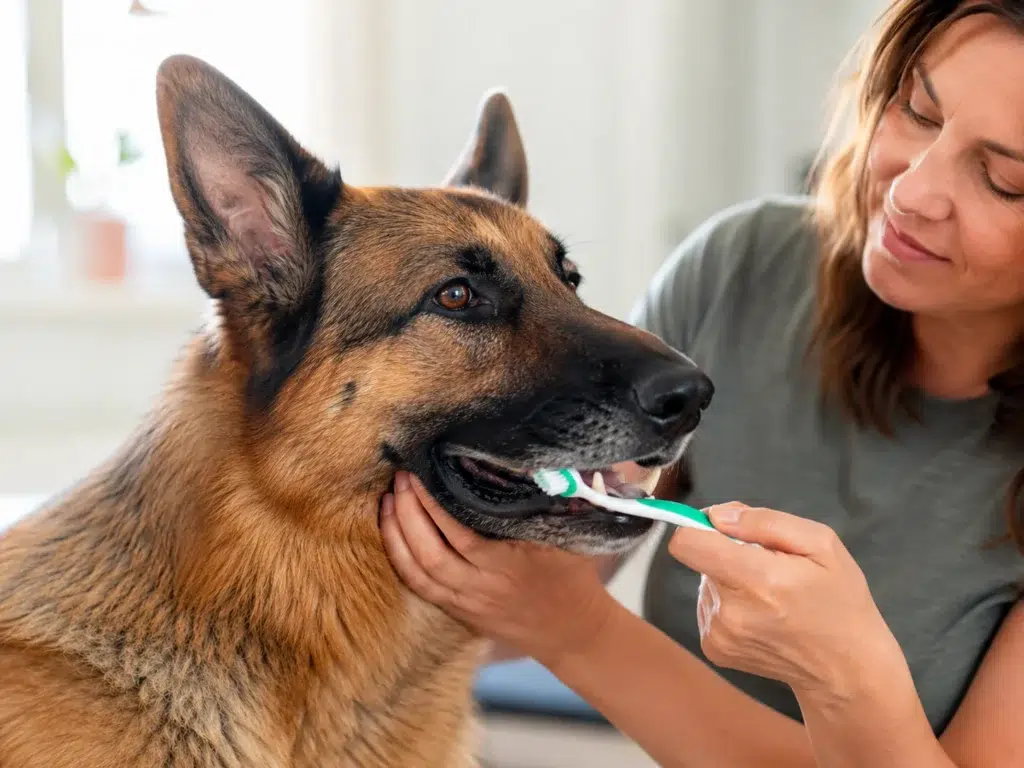
Dental disease can cause pain, bad breath, trouble eating, and infection. Brush your dog’s teeth if possible, use vet-approved dental products, and ask your vet when professional dental care is needed.
Schedule Senior Bloodwork
Once your German Shepherd reaches the senior years, routine bloodwork and urine testing can help detect kidney, liver, thyroid, diabetic, or inflammatory changes earlier.
Early does not always mean easy, but it often gives you more choices.
Cost and Planning Notes for German Shepherd Owners
German Shepherds are large dogs, so care can cost more than it does for smaller breeds. Food, medications, anesthesia, imaging, surgery, boarding, and emergency care often scale with size.
Planning ahead can reduce stress. Consider a savings fund, pet insurance, or a dedicated credit option before your dog has an emergency. Ask your vet for written estimates when possible.
For this breed, it is smart to plan for orthopedic care, dental cleanings, senior bloodwork, parasite prevention, and possible emergency visits.
What Most Articles Miss
Many articles answer “how long do German Shepherds live” with a number and stop there. That misses the bigger picture.
Quality of Life Matters as Much as Years

A longer life is not the only goal. Your dog’s comfort, mobility, appetite, sleep, and interest in family life matter.
Track good days and bad days in a simple notebook. This helps your vet understand trends.
Muscle Is Senior Care
Senior German Shepherds often lose muscle before owners notice. Regular gentle movement helps maintain strength. So does pain control when pain is present.
If your dog is stiff, do not simply stop walks. Ask your vet what type of movement is safe.
Behavior Changes Can Be Health Clues
A German Shepherd that suddenly growls, hides, paces, wakes at night, or resists handling may be in pain or confused. Do not assume your dog is “just getting old.”
Pain, hearing loss, vision changes, anxiety, and cognitive decline can all change behavior.
Home Setup Can Add Comfort
Small changes can help a senior German Shepherd live better. Use non-slip rugs, raised water bowls if your vet agrees, supportive beds, ramps, and better lighting at night.
These changes do not replace vet care, but they can reduce daily strain.
How Long Do German Shepherd Mixes Live?
German Shepherd mixes may live about the same as purebred German Shepherds, but it depends on size, genetics, and health. A mix with a smaller breed may have a slightly different lifespan pattern than a mix with another large breed.
The best care is the same: keep your dog lean, schedule preventive vet visits, protect the joints, and respond quickly to red flags.
FAQs
1. How long do German Shepherds live indoors?
Indoor German Shepherds often live around the same average range as other well-cared-for German Shepherds, but indoor living can protect them from heat, cold, parasites, traffic, and injury. They still need daily exercise, training, and vet care.
2. Can a German Shepherd live 15 years?
Yes, some German Shepherds may reach 15, but it is not the average. A dog that lives that long often has good genetics, strong preventive care, healthy weight, safe exercise, and quick treatment when health problems appear.
3. What age is considered old for a German Shepherd?
Many German Shepherds are considered senior around age 7. Some still act young at that age, while others start showing stiffness, slower recovery, or lower energy. Your dog’s health matters more than the number alone.
4. Do male or female German Shepherds live longer?
In one Royal Veterinary College study, female German Shepherds lived an average of 11.1 years, while males lived an average of 9.7 years. That is a population trend, not a guarantee for every dog. (rvc.ac.uk)
5. What is the most common cause of death in German Shepherds?
Causes vary by dog and study. In the RVC research, common causes included joint disorders and inability to stand, while common recorded disorders included ear infection, osteoarthritis, diarrhea, overweight/obesity, and aggression. (rvc.ac.uk)
Final Thoughts on How Long German Shepherds Live
So, how long do German Shepherds live? A realistic answer is around 10 years on average, with some living shorter or longer lives depending on genetics, size, weight, health care, and daily habits.
You can help your German Shepherd by keeping them lean, active, mentally engaged, and up to date on vet care. Watch for mobility changes, stomach emergencies, weight shifts, and behavior changes. When something seems off, call your vet early instead of waiting.
Have questions about your dog’s health, nutrition, grooming, or daily care? Visit our Contact Us page to reach the Furbivo team. For any medical symptoms, diagnosis, or treatment advice, always consult a qualified veterinarian.